

Painting is a captivating art form that allows artists to express their thoughts, feelings, and imagination on canvas. Whether you are a beginner exploring your creative side or a seasoned professional refining your skills, having the right tools can make all the difference in your artistic journey. In this article, we will explore the top 10 painting tools every artist should have in their arsenal, ensuring you’re well-equipped to bring your artistic visions to life.
1. Quality Brushes
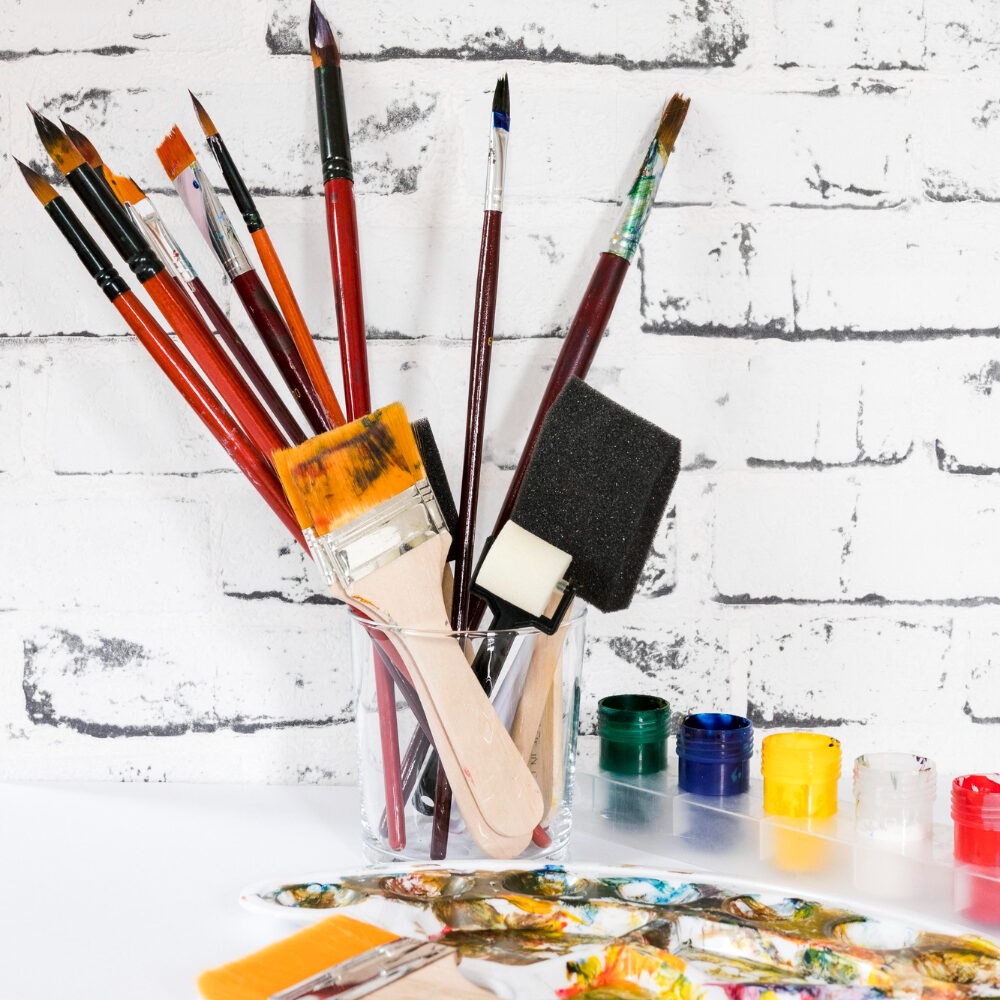
A good set of brushes is essential for any painter. Brushes come in various shapes, sizes, and materials, each serving a different purpose. For instance, flat brushes are excellent for broad strokes and backgrounds, while round brushes are ideal for detailed work and fine lines. Natural bristle brushes provide a unique texture, while synthetic brushes are often more durable and easier to clean. Investing in a quality set will enhance your painting experience and help you achieve the desired effects.
Tip:
Start with a basic set that includes a variety of sizes and shapes, such as flat, round, and filbert brushes. Over time, you can expand your collection based on your specific needs.
2. Palette
A palette is a surface where you mix your paints and create your color combinations. Palettes come in various materials, including wood, plastic, and glass. Each type has its advantages, with wooden palettes offering a traditional feel and plastic palettes being lightweight and easy to clean. A well-organized palette allows for easy access to colors, making your painting process more efficient.
Tip:
Choose a palette that suits your working style. If you prefer working with oils, a wooden palette is ideal; for acrylics or watercolors, a plastic or glass palette works well.
3. Canvas or Paper
The choice of canvas or paper greatly impacts your painting experience. For acrylic and oil painters, stretched canvases or canvas boards are commonly used. Watercolorists, on the other hand, often opt for specially designed watercolor paper. Each surface has its texture and absorbency, influencing how the paint interacts. Experiment with different surfaces to find what you enjoy working with the most.
Tip:
For beginners, starting with inexpensive canvases or pads of paper can help you practice without the pressure of using costly materials.
4. Easel
An easel provides a stable and adjustable surface for your artwork, allowing you to work comfortably at different angles. There are various types of easels, including standing, tabletop, and convertible models. A good easel not only supports your canvas but also helps with posture, making your painting sessions more enjoyable.
Tip:
If you’re short on space, consider a tabletop easel or a collapsible model that can be easily stored when not in use.
5. Paint
Of course, no artist can work without paint! The type of paint you choose will depend on your preferred medium—acrylics, oils, watercolors, or gouache. Each medium has its unique qualities, drying times, and application methods. When starting, it’s wise to select a few basic colors and gradually expand your palette as you become more comfortable with mixing and color theory.
Tip:
Invest in high-quality paints for the best results. While they may be more expensive upfront, they often yield better pigmentation and performance.
6. Palette Knives
Palette knives are versatile tools used for mixing paint and applying it to your canvas. They can create various textures and effects that brushes often cannot achieve. Whether you’re applying thick layers of paint or creating fine details, a palette knife can enhance your artwork’s visual interest.
Tip:
Experiment with different sizes and shapes of palette knives to discover how they can contribute to your painting style.
7. Rags or Paper Towels
Keeping your workspace clean is crucial for any artist. Rags or paper towels are indispensable for wiping brushes, cleaning spills, and blotting excess paint. They help maintain a tidy environment and prevent unwanted colors from mixing on your canvas.
Tip:
Consider using old t-shirts or cloth rags, which are eco-friendly alternatives to paper towels.
8. Water Container
For acrylic and watercolor painters, a clean water container is essential. It allows you to rinse brushes and dilute paint as needed. Choose a container that is sturdy and easy to clean. A wide-mouth container is ideal for rinsing larger brushes, while a smaller one can be used for finer brushes.
Tip:
Keep a separate container for rinsing and another for clean water to ensure that your colors remain vibrant and uncontaminated.
9. Sketchbook
A sketchbook is a vital tool for any artist, serving as a space for brainstorming ideas, practicing techniques, and sketching out compositions before committing to canvas. It encourages experimentation and serves as a visual journal of your artistic growth.
Tip:
Choose a sketchbook with a variety of paper types—smooth for detailed drawings and textured for quick sketches. This versatility will help you explore different styles.
10. Varnish
Once your painting is complete, applying a varnish can protect it from dust, dirt, and UV light. Varnish enhances the colors and adds a professional finish to your artwork. There are different types of varnish, including matte, satin, and gloss, allowing you to choose the desired finish for your piece.
Tip:
Always wait for your painting to dry completely before applying varnish. This can take days to weeks, especially for oil paintings.
Conclusion
Equipping yourself with the right painting tools is crucial to enhancing your creativity and developing your artistic skills. From quality brushes and palettes to sketchbooks and varnishes, each tool plays a significant role in the painting process. As you embark on your artistic journey, remember that practice and experimentation are key. Don’t hesitate to explore different mediums and styles—your creative voice will evolve over time.
Investing in these top 10 painting tools will help you lay a strong foundation for your artistic endeavors. With the right equipment in hand, you’re ready to unleash your imagination and bring your artistic visions to life! Happy painting!
